Interview by SAYNARIO
Lebanese-Canadian filmmaker Christian Ghosn’s short film Chat À Table follows Hakim, a doctor who is treated as an outsider by his fiancée Layla’s Lebanese family, despite everything he has achieved. Adapted from a short story by Ziad R. Lawen, who co-wrote the screenplay with Christian, the film draws on Lebanese folklore to explore family, class, and belonging. Its cast includes Amir Malaklou, Laith Nakli, and Rose Abdoo.
In this conversation, Christian talks to SAYNARIO about the folklore behind the film, how the cast came together, and why diaspora stories don’t have to be limited to questions of identity.
SPOILER WARNING: this interview discusses the ending of Chat À Table. An additional warning will appear before the ending is discussed.
WATCH THE FILM FIRST: Click here to watch.
As a Lebanese-Canadian filmmaker working in the United States, you occupy a cultural position that crosses borders in its own way. How has navigating different cultural contexts shaped the stories you feel drawn to tell, and what possibilities do you see in cinema for exploring experiences of the diaspora that resist simple narratives of assimilation or displacement? Were there aspects of it that felt particularly important to preserve on screen?
I’m open to telling any story that I feel drawn to regardless of my personal cultural connection to the story, however it certainly helps to be able to draw on my own specific culture and identity when making a film like Chat À Table.
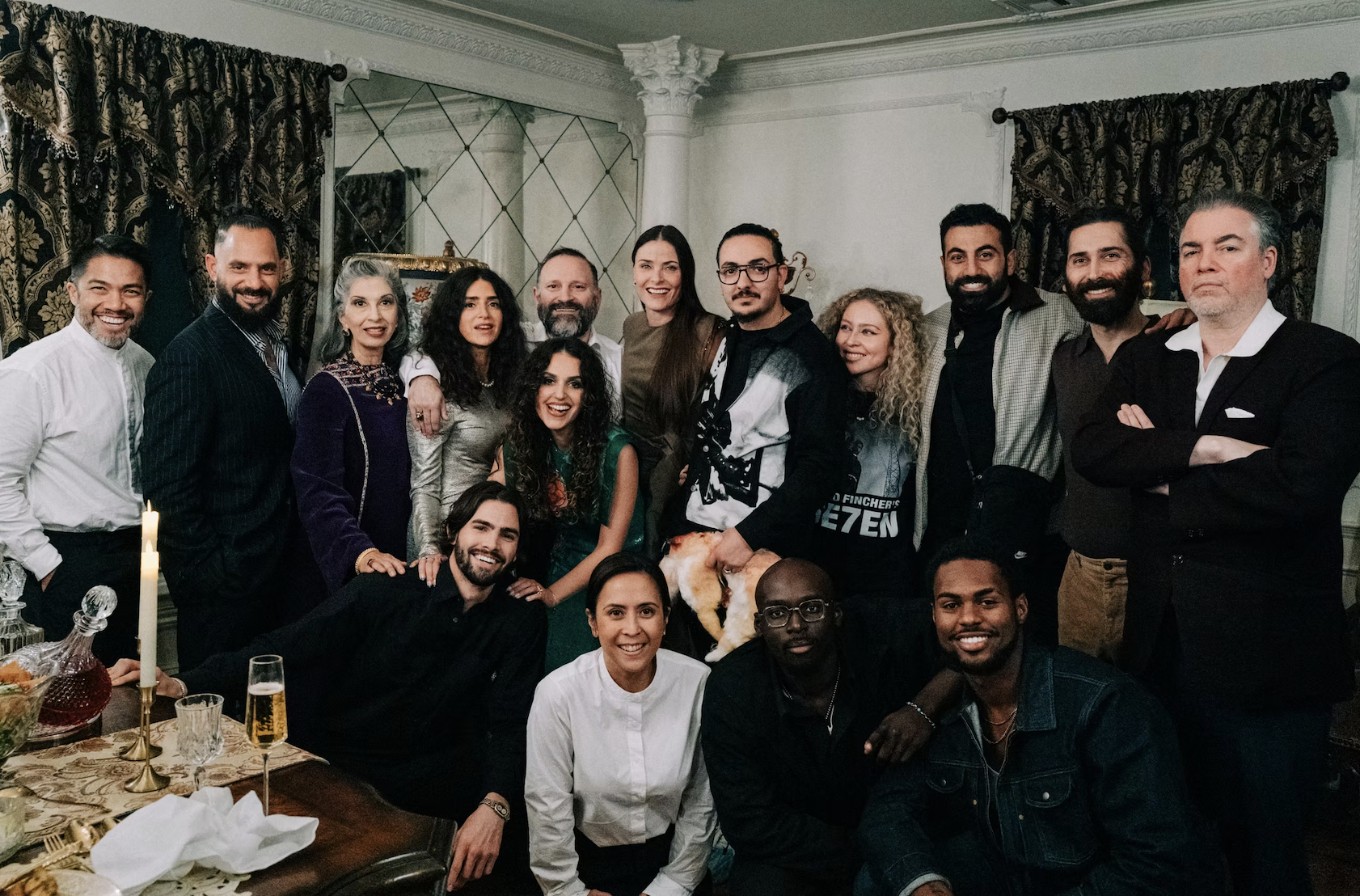
Chat À Table tells a story that is deeply personal to me on both a character and thematic level. As a second generation Lebanese-Canadian artist, I grew up surrounded by and raised by Lebanese immigrants of varying generations. This is a film about family, class and rage. I’m extremely proud that nearly 75% of our cast and crew are of MENA descent. As a descendant of Lebanese immigrants I’m very honored to be able to tell a story about a Lebanese family that is rich with culture, character and commentary. A story that puts their faces and voices on the big screen, not as outsiders and add-ons, but as heroes and villains, doctors and business people, lovers and family.
I think there’s a lot of possibilities when it comes to exploring experiences of the diaspora. Currently I have two projects in development, with a lead character that is of Middle Eastern descent, one is about a sports fanatic, another is a crime romance film. I think an important part of representation and progress is when MENA Artists and performers are making films that are not solely about their identity and background, but rather a great genre film where the lead character in a comedy, or crime thriller or romance film is a descendant of the diaspora. Of course the character will always be informed by their background and culture, but there’s no reason this can’t be explored across genres and stories. There are so many complex and intersecting experiences within our community and the opportunity to explore those through art should not be limited to stories rooted in trauma or tropes.
The film opens by referencing Lebanese folklore. Could you tell us more about the tradition or story that Chat À Table draws on? Is it a well-known piece of Lebanese folklore, and was it the initial spark for the film or something that emerged as you developed the story?
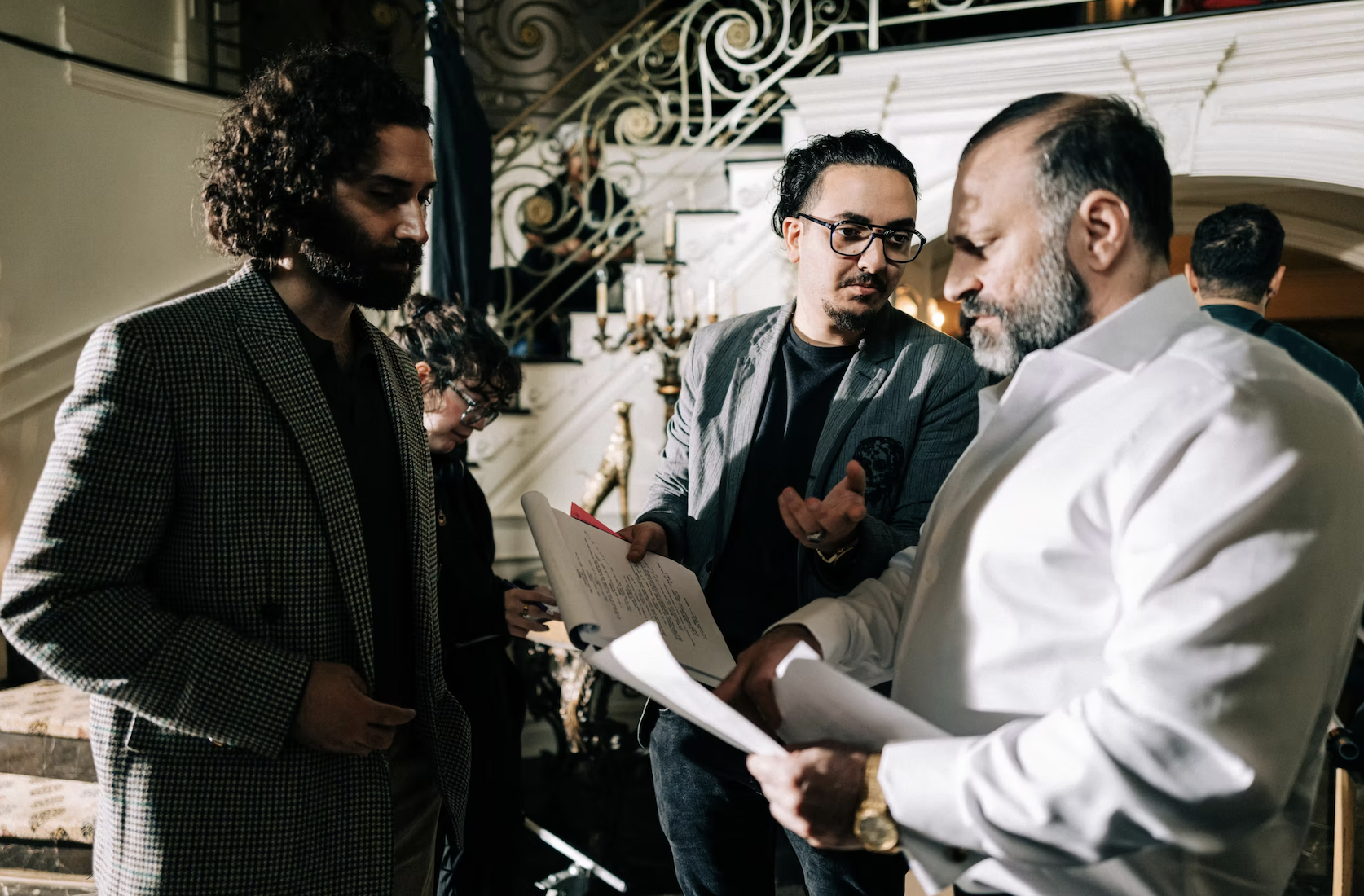
The script was adapted from an original short story written by Ziad R. Lawen who co-wrote the screenplay with me. The sacrificing of the cat is a story that was told in his father’s village of Al-Kfeir in the Hasbaiya District. It’s a story that he heard several times and it inspired him to write and it inspired him to write the short story initially. I won’t speak too much more on it as I had not heard the folklore before reading the short story, but it was certainly a major influence for Ziad and our eventual collaboration on the screenplay.
Cats appear throughout the film, from the opening shots in the garden to the discussion between Layla and Hakim, and the cat that enters the dinner party. What drew you to the cat as a recurring motif?
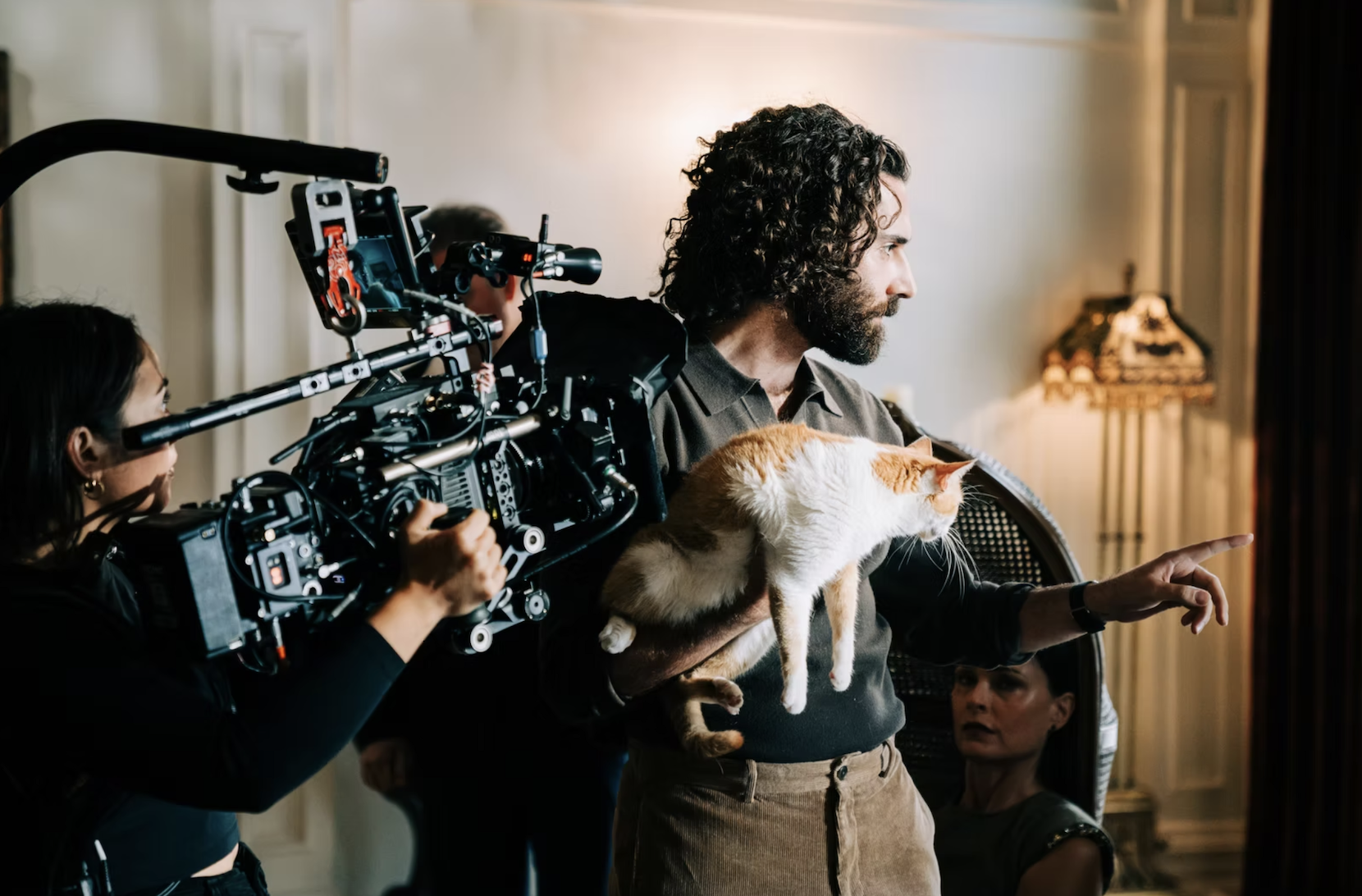
The cat was a huge part of the short story even before we adapted it into a screenplay, but as we got closer to production it became clear to me that it would be to my benefit to have the cat and lion motifs be felt throughout the film. In the final film, we have the POV shots of stray cats rummaging through bushes on the property as well as the opening shots of the cats on the property. There’s also the close up of the lion-head knocker on the front door when the Arber family arrives.
Leaning into the animal motifs allowed me to create a predatory feeling between the family and Hakim; they surround him early on in the film, like a pack of predators circling their prey. The use of the low to the ground “cat pov” shots in the yard as transitions help to create an eerie atmosphere and build up the tension while reinforcing the themes of class and identity. The more we dug into the motif the more we were able to unlock visually, not just in certain images, but in terms of camera movements, production design and blocking. It was a well that kept on giving in a lot of fun and creative ways.
Spoiler warning: The ending of Chat À Table is discussed from now on.
Layla’s father’s proverb, “a cat and a lion are of the same root, but a cat is not a lion,” comes back in different forms. Is it a warning, a consolation, both, or the main metaphor for Hakim and the world he is trying to enter?
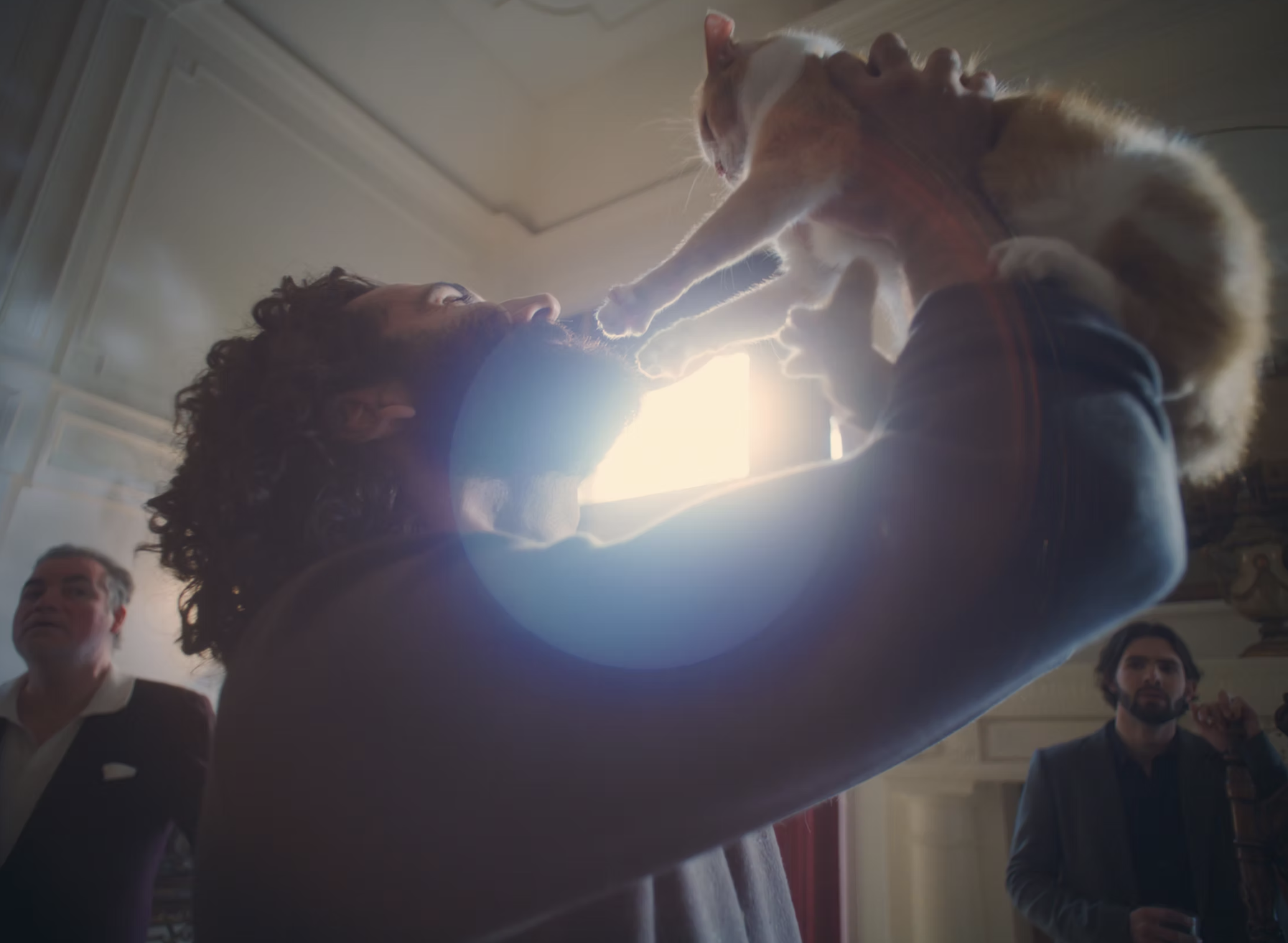
I think it works as the main metaphor for Hakim and the world he is trying to enter but it’s definitely open to interpretation from both Hakim and the audience. Naturally, Hakim is the cat in this situation and Layla’s family the lions. In order for Hakim to fit in with them or become one of them he will have to sacrifice part of himself, the cat, and emerge as a lion. This is referenced again during Hakim’s monologue after he picks up the stray cat in the living room and says that the hospital brought in the cats to rid the lands of rats and mice, until the cats eventually became the new rodents. Although Hakim and Layla’s family are of the same root, they see him as an intruder and themselves as the kings of the jungle.
All of this leaves Hakim wondering: Why don’t they see themselves in Hakim? Why don’t they want to help and protect him? Why don’t they want the fiancee of their precious Layla to feel welcomed? There’s certainly a lot of layers to the rift: they think Hakim is trying to work his way up in the world through the family’s wealth, they don’t see his education as an attribute but rather a threat to their own achievements, and more concerningly they’ve chosen to associate themselves and align themselves with an American/outside family for business connections and turn their back on one of their own.
And then in the end, after he commits the sacrifice, there seems to be a moment where Richard and Mireille see Hakim in a new light. Is it utter shock, or a form of approval? Why would an act of violence sway him into their favour? Did it sway him into their favour? And if so, is it a rejection of his education? An admission of his need to be saved by them? A shift in the power struggle and identity crisis? I realize I’m offering up a lot of questions, but most of them have been posed to me by people who viewed the film and I find the debate and lingering questions to be a strong confirmation of the film's success. Not that I want it to be confusing, in fact that’s the last thing I want. But I do want it to raise debate, and I do want people to reckon with what they just experienced and if they're thinking about it after the credits roll, if it sticks with them a day later, then I think at a minimum the work and the art are serving a purpose.
Hakim has built a life for himself as a doctor, yet at the dinner table, his achievements seem to count for very little to Layla’s family. He is still treated as an outsider whose background and family history need to be accounted for. What interested you in exploring a kind of exclusion that persists even when someone has done everything society ostensibly asks of them?
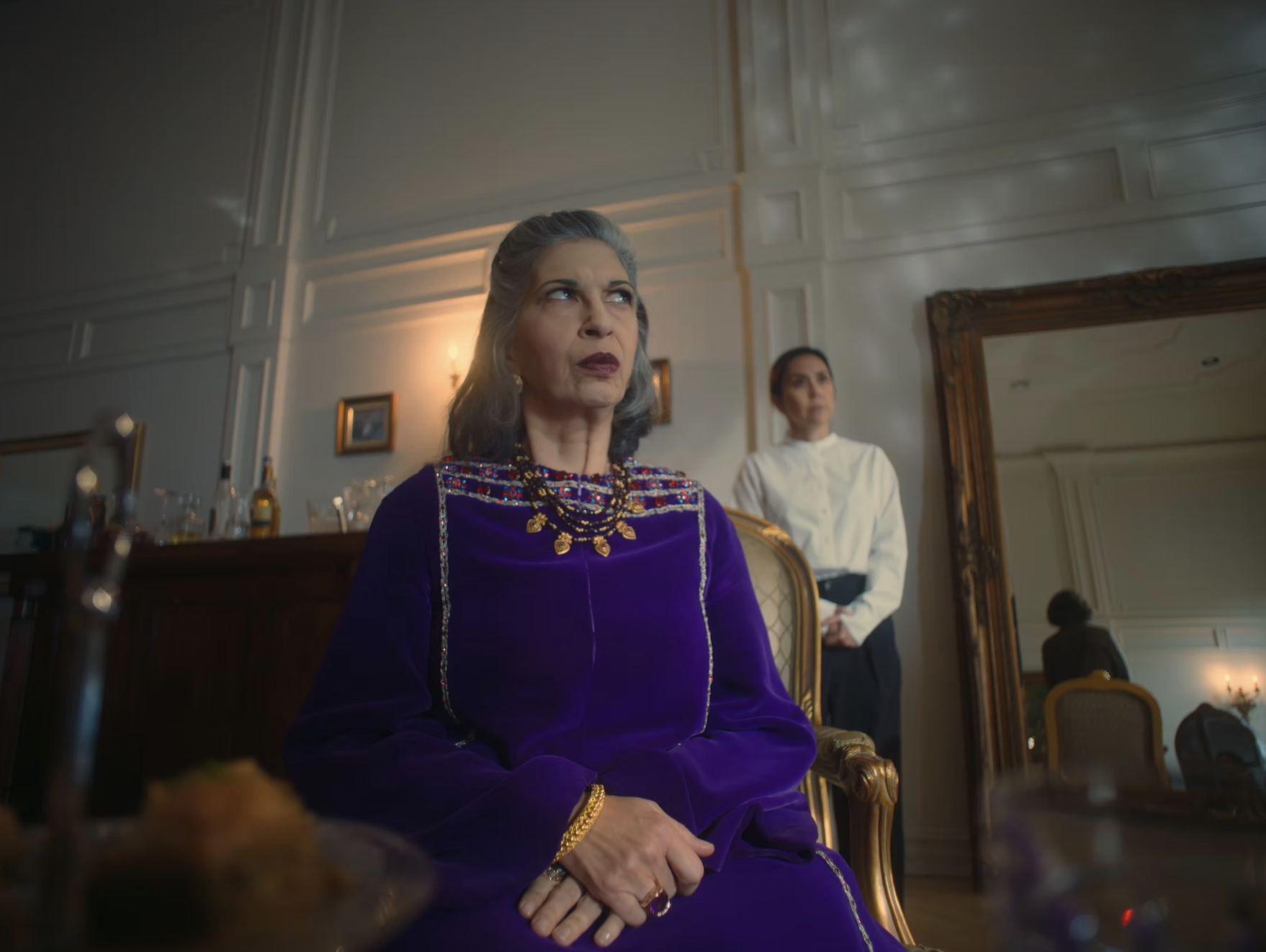
One of the more difficult elements of telling this story was the complex idea of Hakim being an objective success to the outside world, but a subjective failure in the eyes of Layla’s mother and uncles. On the surface level I think it’s important to acknowledge that to some people nobody will ever be good enough to marry their child, or through the more egotistical and toxic lens, they will never be good enough to marry into their family. There’s this very strong belief in “progress” among immigrant communities living and often thriving in Canada and the United States and it manifests itself in a fear of the unknown and slipping backwards. The characters of Richard and Mireille in particular have built a world for themselves through family values and hard work and one of their great fears is the next generation undoing their perceived progress. I’m at an age in my life where a lot of friends and relatives are either getting married or considering it, and while their parents may not be as abrasive or confrontational as the characters in this film, there is a certain level of story truth to it. Of course diving into the intricacies of these waters over the short course of a nineteen minute film is a tall task, but we felt it was a very honest exploration on an emotional and story truth level even if exaggerated and condensed for the sake of the medium.
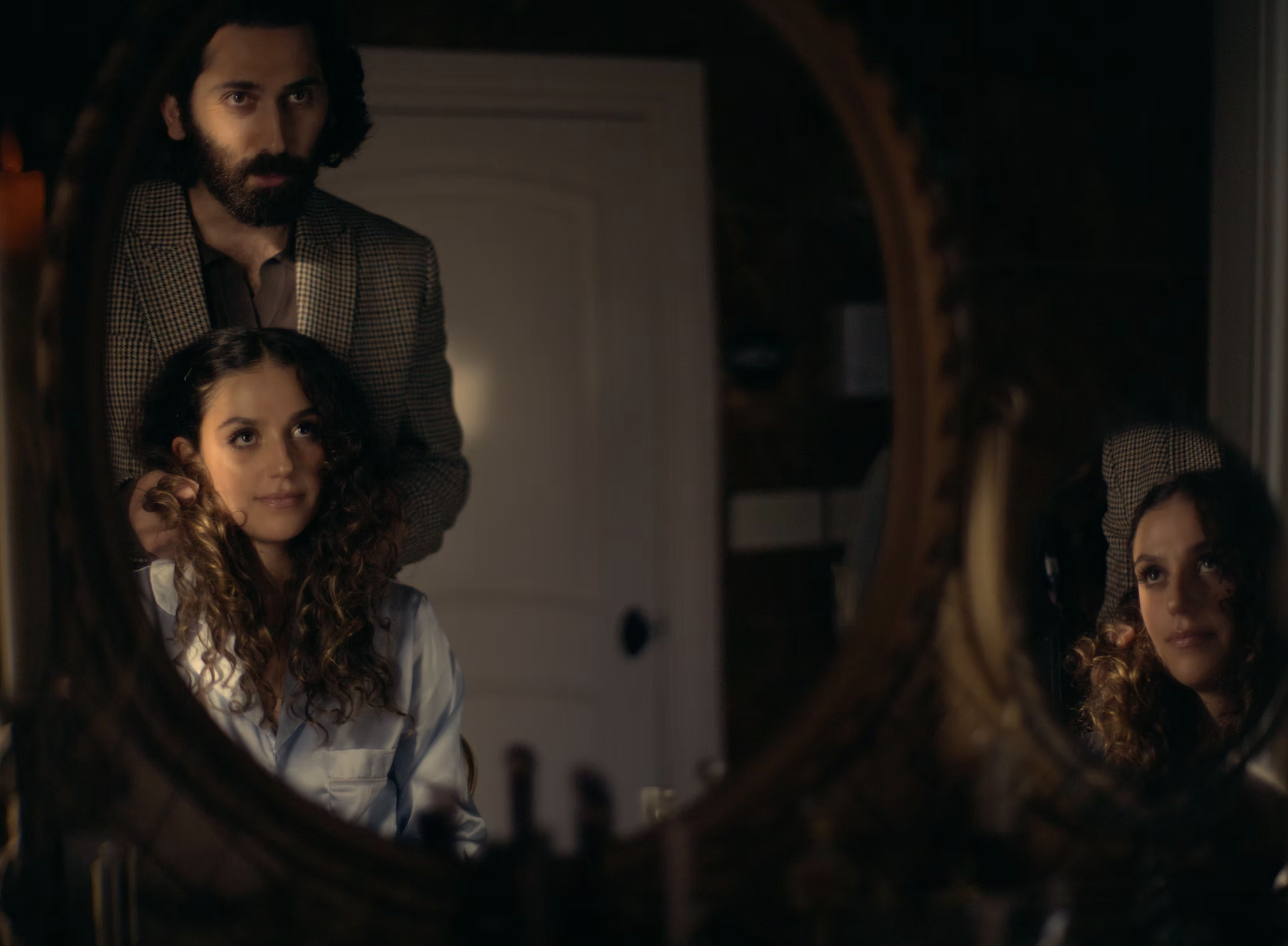
What was the first image or moment you had of the film, and did the ending come first or last?
Before the screenplay was written it was actually a short story by my co-writer Ziad R. Lawen. He first sent it to me just to read for fun. Immediately I told him it should be adapted into a short film and asked for his permission to adapt it. We ended up writing the screenplay together. The moment that stuck out to me and the reason I thought it would translate well to the screen was the image of Hakim grabbing the stray cat before delivering his monologue, as the rest of the characters descended into hysteria. The family carries themselves with a lot of pride and a real air of arrogance but as soon as an unaccounted for element enters the scene they start to unravel. In contrast, Hakim’s life has been built upon figuring it out, overcoming any obstacle thrown in his way and adjusting in real time, so he simply picks the cat up and uses it to his advantage. That very simple juxtaposition in reaction to a stray cat sort of tells us everything about the characters in the film and it really drove a lot of the decision making from a directorial point of view.
When Hakim finally stabs the cat, he appears to do something that contradicts the tenderness he showed it earlier. Given the film's attention to exclusion and social hierarchy, what did you want this moment to reveal about him? Is Hakim attempting to claim power within the family by adopting its values, or is the act revealing something more complicated about what the desire to belong can demand of a person? Is Hakim becoming one of “them,” finally showing them who he is, or did you want to leave it on a more ambiguous note for viewers to interpret on their own?
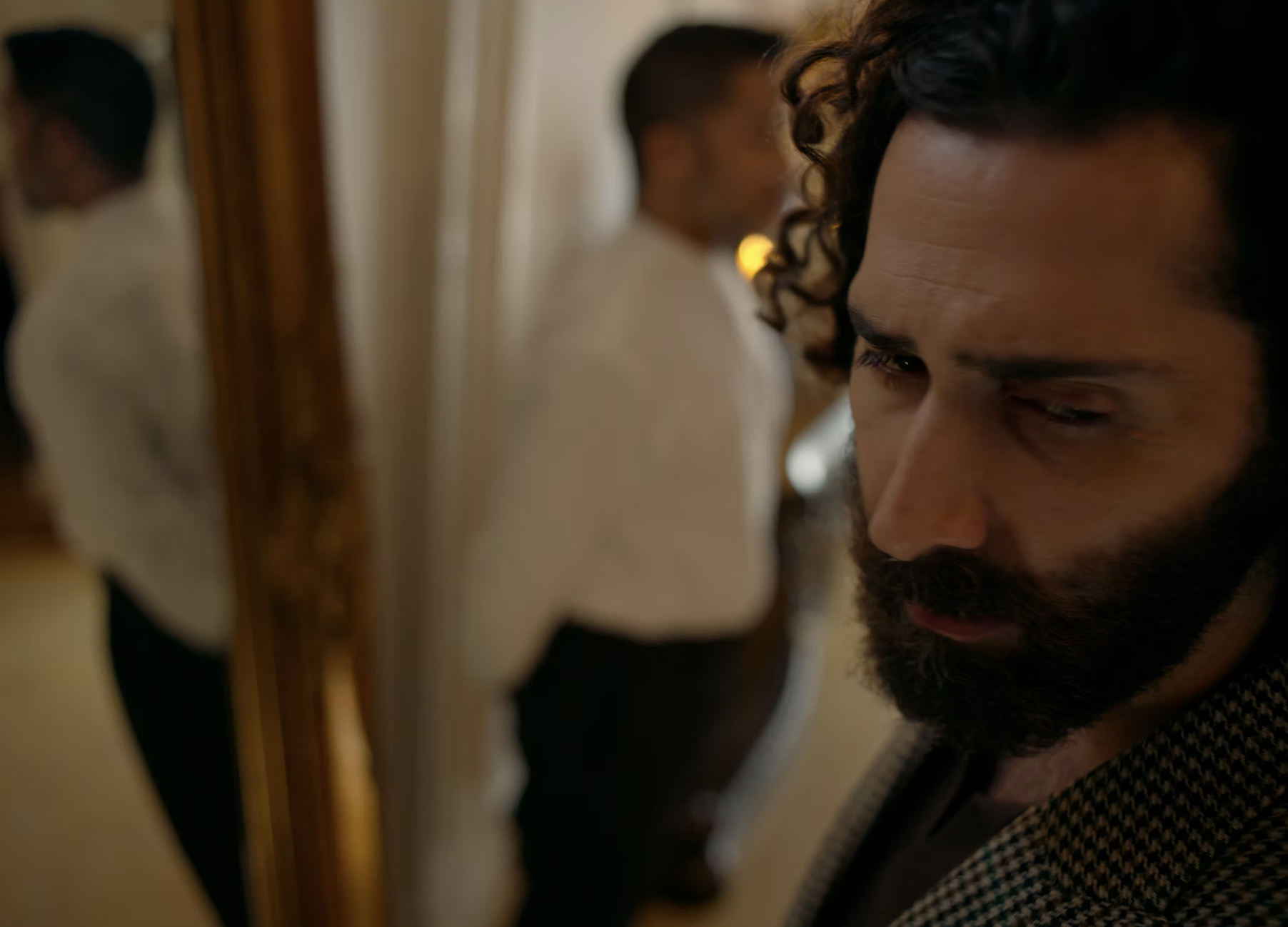
I really don’t want to say directly what I believe because I do think that the ending of the film works best when left open to interpretation. However, a lot of the camera movement and framing decisions, as well as the use of the 4:3 aspect ratio, were specifically designed to portray a character with walls closing in on him, a sense of escalated unravelling and then ultimately a choice that feels to me like self sacrifice. Hakim is aligned with the cat from the moment it sneaks into the house and then busts up the party in the living room. Like Hakim the cat is treated as an intruder and something/someone to fear. When he makes the decision at the end of film, heat of the moment or not, he is making a decision that will alter his identity for the rest of his life. Some may see it as a negotiation, others may see it as a corruption of his self or even a truth that he was hiding. I think everyone brings their own life to the theatre when they sit down to watch a film, even if they intend to watch a film for escapist purposes and our interpretation of a film usually has as much to do with ourselves as it does with the film.
There is a tension between Hakim's determination to establish himself in his new home and the life, family and circumstances he has left behind in Lebanon. How did you approach portraying the experience of building a future elsewhere while remaining connected to a home that continues to shape who you are?
There is a very powerful idea we discovered in this story that became a bit of a north star for our decision making and the idea is that some people who immigrated from Lebanon in the 50s or 60s, stayed in that state of mind. Meanwhile while they held on to conservative and traditional values, the country that they left progressed without them. There’s certainly a lot of unresolved trauma amongst people who immigrated from a third world country to the US and Canada and it can often manifest itself in an identity of the past. Hakim grew up in a very different Lebanon than the one Layla’s family left behind, and a lot of the internal conflict is rooted in this battle for Lebanese identity. One of which was formed nearly 50 years prior to the other. So now Hakim finds himself having to decide what he’s willing to sacrifice for his future and his soon to be wife. These are incredibly nuanced conversations that deserve much more than a short film, but it certainly feels like multiple identity crises playing out as a power struggle between Hakim and Layla’s family.
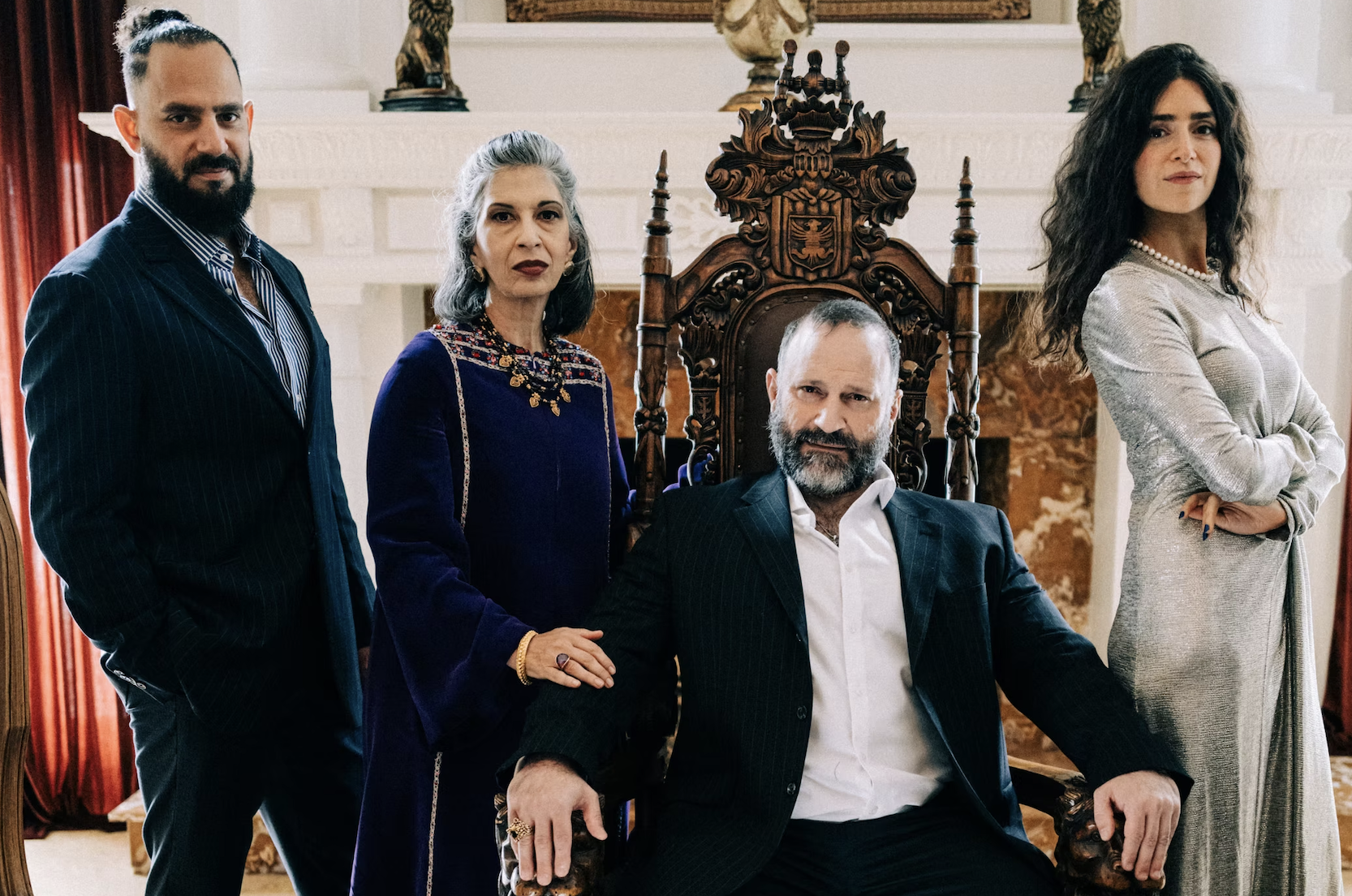
You assembled a cast with some recognizable faces, particularly Rose Abdoo and Laith Nakli, for this short film. How did casting come together?
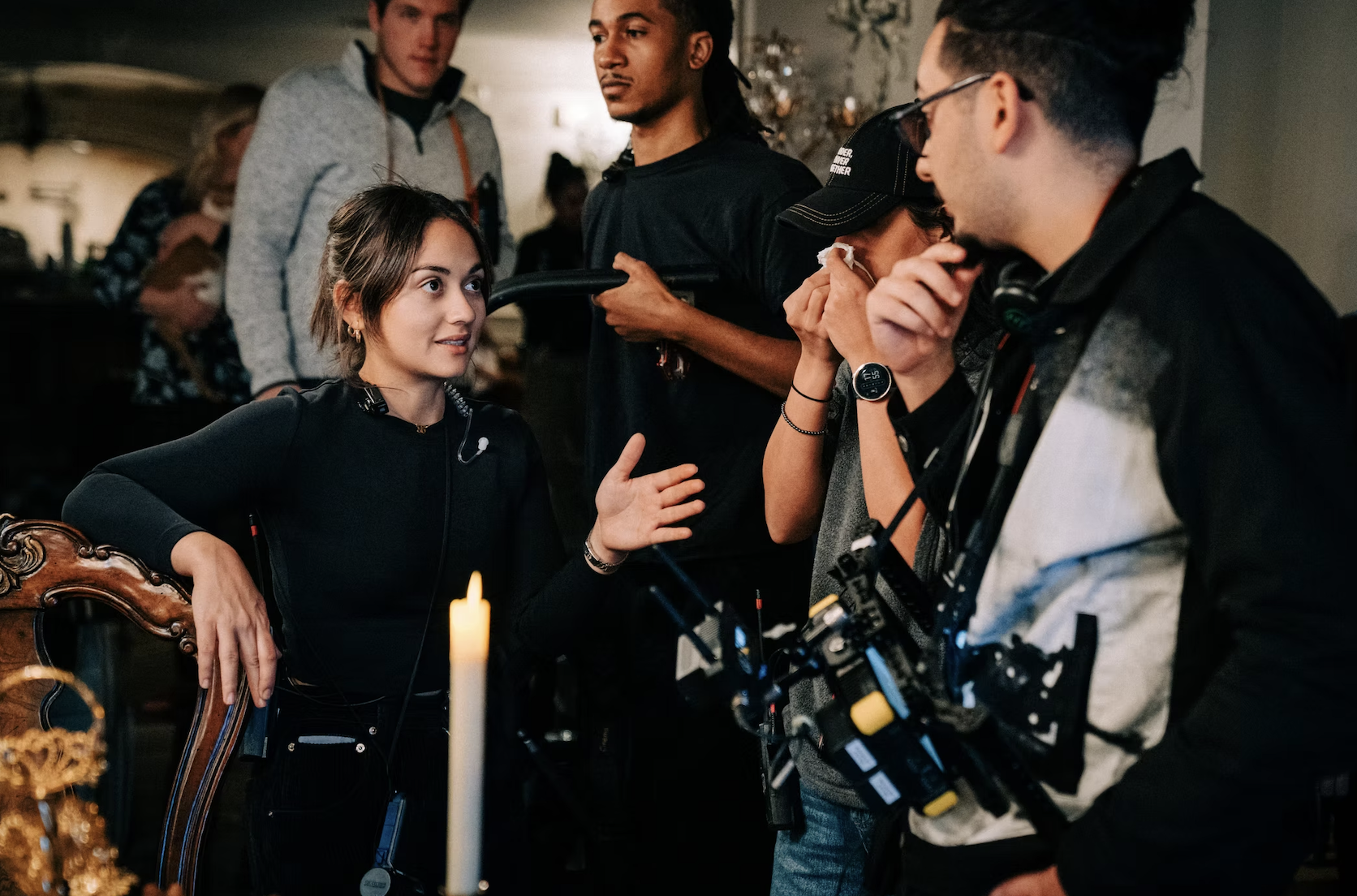
We had an exceptional team working on this film and one of the key team members was without a doubt our brilliant casting director Sal Schiavone. Sometimes for a short film you cast from your own creative network or host open auditions but due to the scale of this film and need for a majority MENA cast, we thought it made the most sense to hire a casting director. Ultimately we hired Sal, and their finger prints are all over the film. The cast came together through a combination of auditions and straight offers. Of course for the more recognizable faces like Laith and Rose, they were straight offers. Thanks to Sal, I was able to land meetings with both of them and sort of pitch myself and the film, hoping that they would be open to the idea of doing a short film and beginning a working relationship. In all honesty, Laith Nakli was at the top of my list for Richard and really the entire cast. I had admired his work for a while, particularly his work on Ramy. It was sort of surreal when Sal had called me to let me know I had an in person meeting with Laith, and honestly I had no idea if he would accept or if he was just interested in getting to know me. But we hit it off right away and by the end of the meeting he let me know that he intended to do the film. It was a similar situation with Rose, and Sal was really a driving force on that one because he believed that Rose would thrive in a role that audiences had not seen her in and of course as you see in the film that was spot on. For the leading role of Hakim, which ended up being portrayed by the brilliant Amir Malaklou, he actually sent in an audition and it honestly blew us away. His career is beginning to take off now and in hindsight it’s a little stunning that an actor of his caliber was auditioning for my short film. Various members of the cast came together in unique ways, but a family was born out of it and I will treasure a lot of these relationships for the rest of my life. In the end I’m extremely grateful to the entire cast for taking a chance on me and specifically a short film when all of them have so many amazing things going on in their careers.
And finally, what advice would you give filmmakers from the Arab world or the diaspora who want to tell culturally specific stories for international audiences?
I would tell them to keep doing the work. At the end of the day opportunities will continue to be scarce in this industry, but one thing that does not have to wait is the work. Keep writing, keep telling stories, and bring as much honesty to the project as you can. If there's a film that you want to watch that doesn’t exist yet, write it. Write it for yourself first, the audience will follow. The more specific the story is to you and your culture the more universal the story truth will be to an audience.